
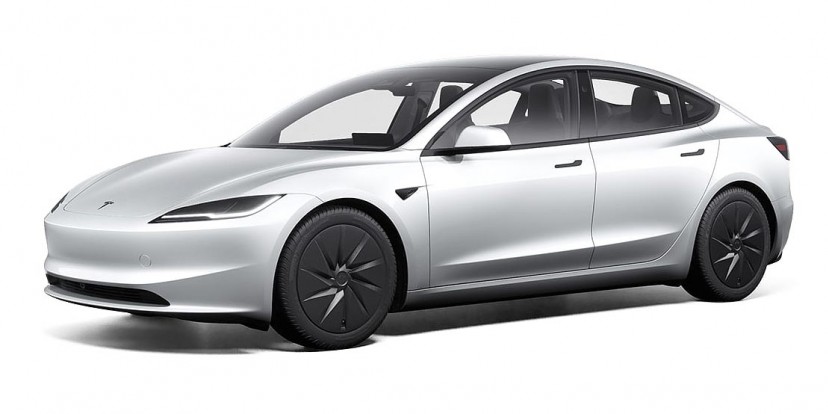
Tesla is making a calculated and aggressive push into the European mass market by introducing new “Standard” versions of its popular Model 3 and Model Y electric cars. The company is cutting prices and removing certain features to challenge rivals and regain momentum in a key region where its sales have dropped sharply.
Falling sales force a strategic shift
Recent European data shows why this change became necessary. Tesla registrations in November fell by 12.3% compared with the same month a year earlier. Excluding Norway – the only country seeing a temporary surge in EV sales due to expiring government incentives – registrations across the rest of Europe plunged by more than 36%. To counter this steep decline, Tesla has sharply lowered the entry price of its vehicles, betting that the reduced cost will compensate for the loss of some equipment.
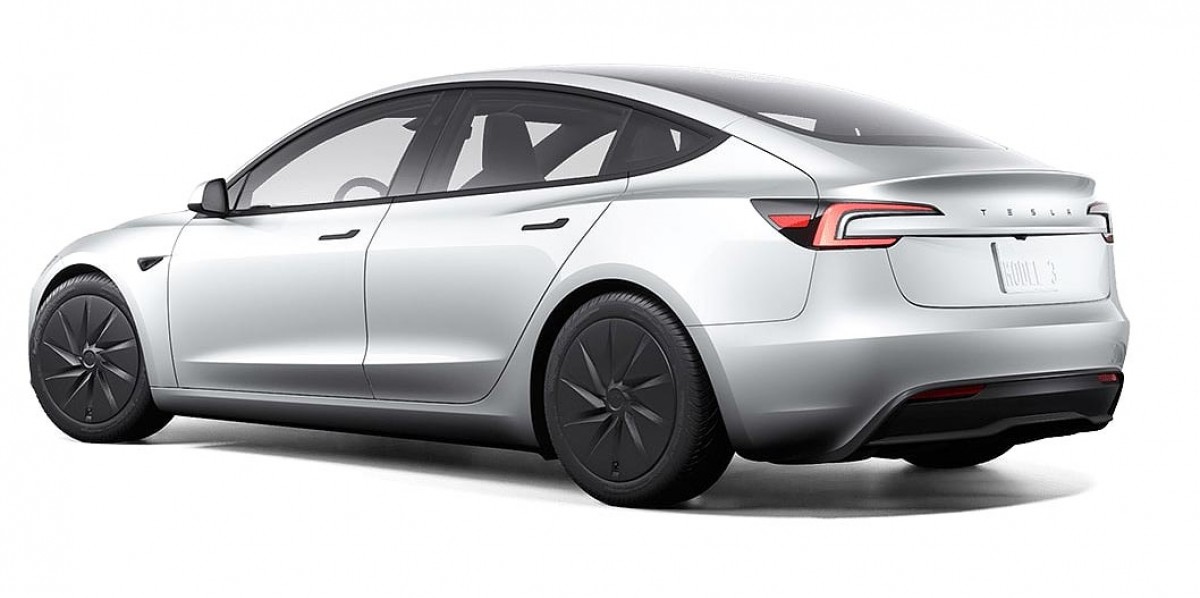
Model 3 Standard: key to Tesla’s new pricing strategy
The new Model 3 Standard trim is the core of this strategy. In major markets such as Germany, France, and Italy, it is priced at approximately €36,990 (about $40,700 / ₹3,424,000). This psychologically important figure comes in just under the €37,000 threshold, placing the Model 3 squarely in the same price band as many conventional gasoline cars and undercutting a large number of rival electric vehicles.
Despite the lower price, the Model 3 Standard still delivers solid performance. It offers a WLTP-rated driving range of 534 km and can accelerate from 0 to 100 km/h in 6.2 seconds. To reach this aggressive price point, however, Tesla has pared back the equipment list.
What you lose with the cheaper trim
Compared with the more expensive Premium and Long Range versions, the Model 3 Standard’s interior comes with “partially textile seats” instead of full vegan leather upholstery. Rear passengers lose the 8‑inch display introduced in the latest update, along with heated rear seats. The audio system is downgraded to seven speakers, with the subwoofer and external amplifiers removed. On the outside, alloy wheels are replaced by steel wheels, making the cost-cutting more visible.
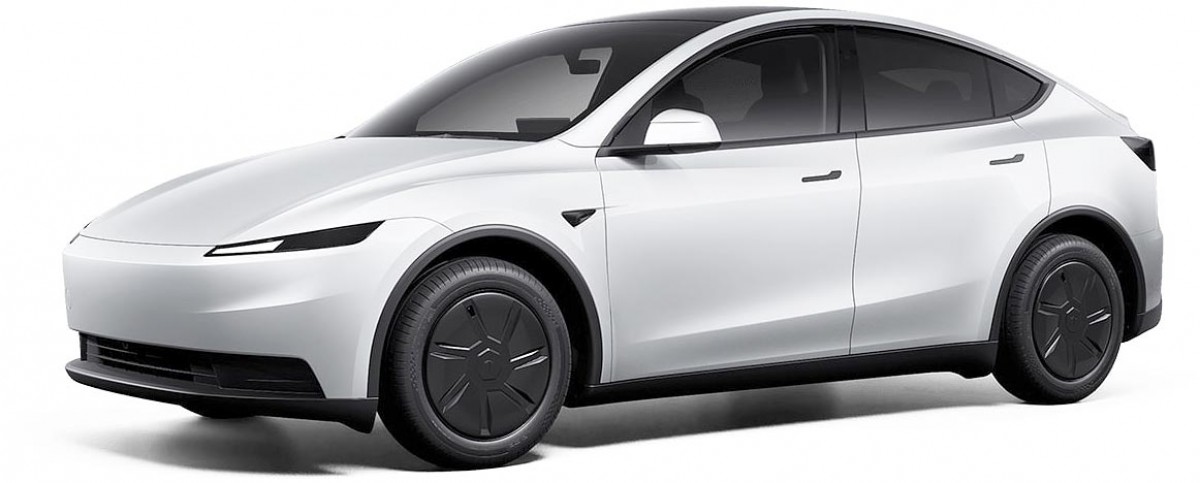
Model Y Standard: same range, less value
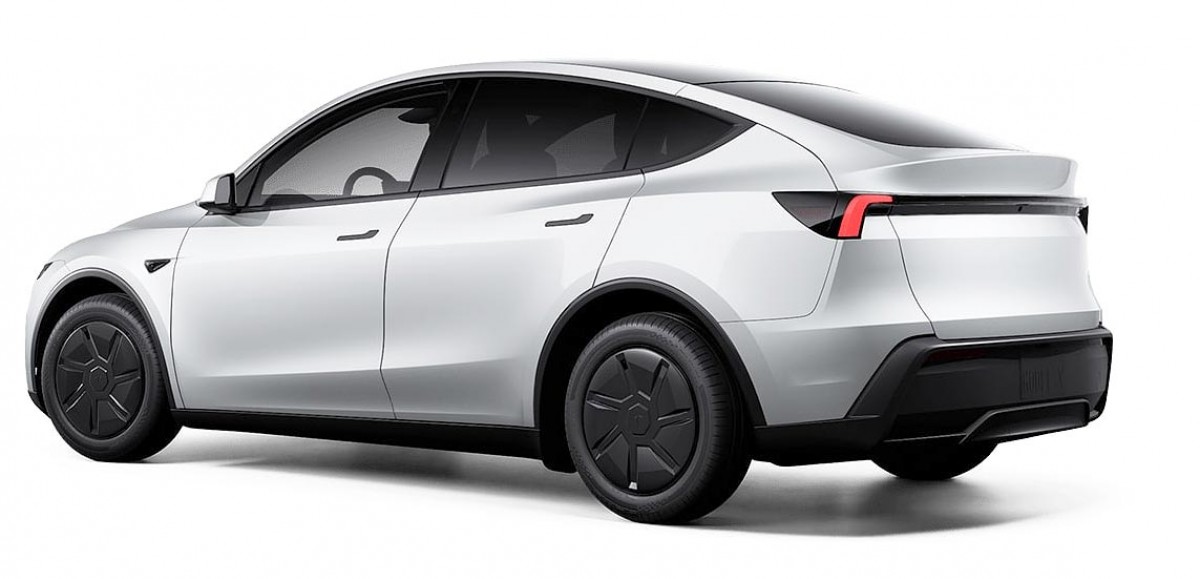
The larger Model Y also receives a Standard variant, listed at around €39,990 (about $44,000 / ₹3,703,000) in the main European markets. This version matches the Model 3 Standard’s WLTP range of 534 km. However, the Model Y Standard is arguably a less attractive deal than the Model 3: its price sits relatively close to that of the better-equipped Premium version, even though it sheds many of the same features. Even so, both new Standard trims thrust Tesla into a fresh, intense price war with Chinese competitors and established European brands alike.
Positioning against Chinese and European rivals
The Model 3 Standard now undercuts the BYD Atto 3, its key Chinese rival, by about €1,000. It also offers more space and a longer range than the recently discounted Volkswagen ID.3 Pure, even though that VW model starts lower at roughly €29,760 (about $32,700 / ₹2,757,000) including incentives in Germany. The Model Y Standard, at about €39,990 (around $44,000 / ₹3,703,000), is even slightly cheaper than the Volkswagen ID.4 Pure, which costs around €40,335 (about $44,400 / ₹3,722,000), while arguably providing better software and access to a superior fast‑charging network.
Can price cuts fix Tesla’s European problems?
These sweeping price reductions are Tesla’s attempt to revive its troubled European business. The company’s difficulties in the region stem from a stagnant model lineup, intensifying competition, and what some analysts describe as “brand toxicity” related to CEO Elon Musk’s political activity. The newly launched, feature‑reduced, price‑focused versions of the Model 3 and Model Y represent a bold effort to stop the decline and return to growth in Europe. Whether this strategy will be enough to reverse Tesla’s fortunes remains an open question.