
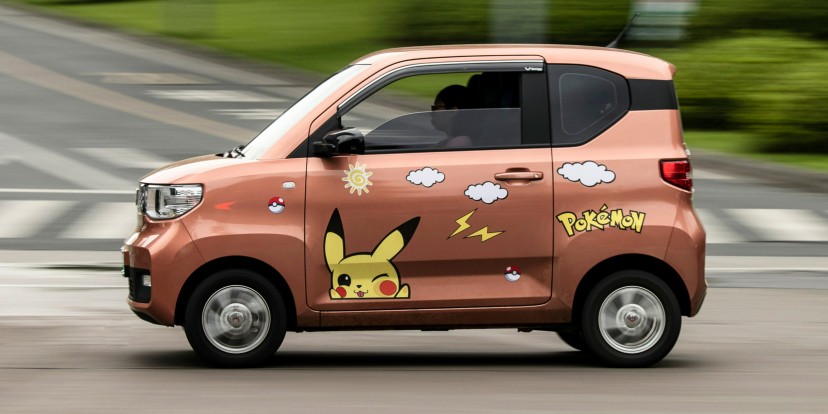
October 2025 proved that size – and even a well-known brand name – does not always guarantee victory. Global sales of plug-in vehicles grew by 10% compared to October 2024, surpassing 1.9 million registrations. The best-selling model was a tiny Chinese car, the Wuling Mini EV, which pushed the mighty Tesla Model Y out of first place. This marks a major shift in the EV market, as affordable, compact Chinese cars increasingly dominate the sales charts.
Wuling Mini EV Overtakes Tesla
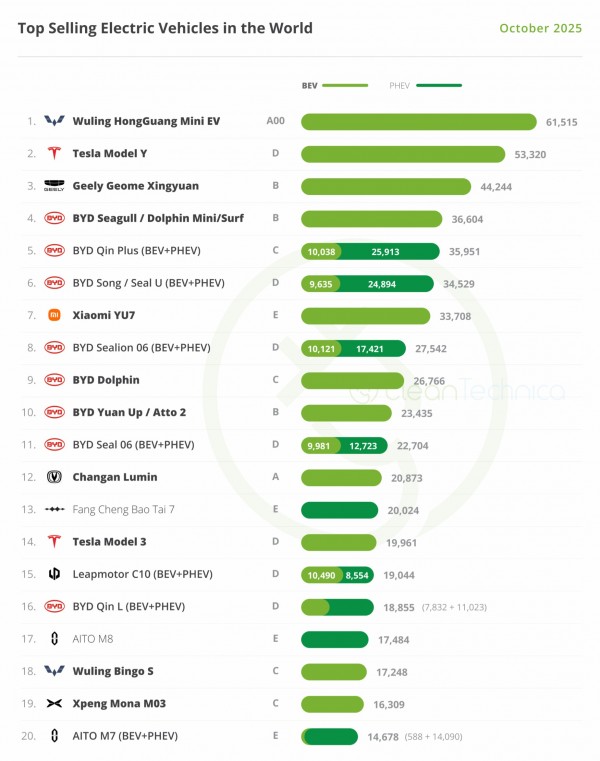
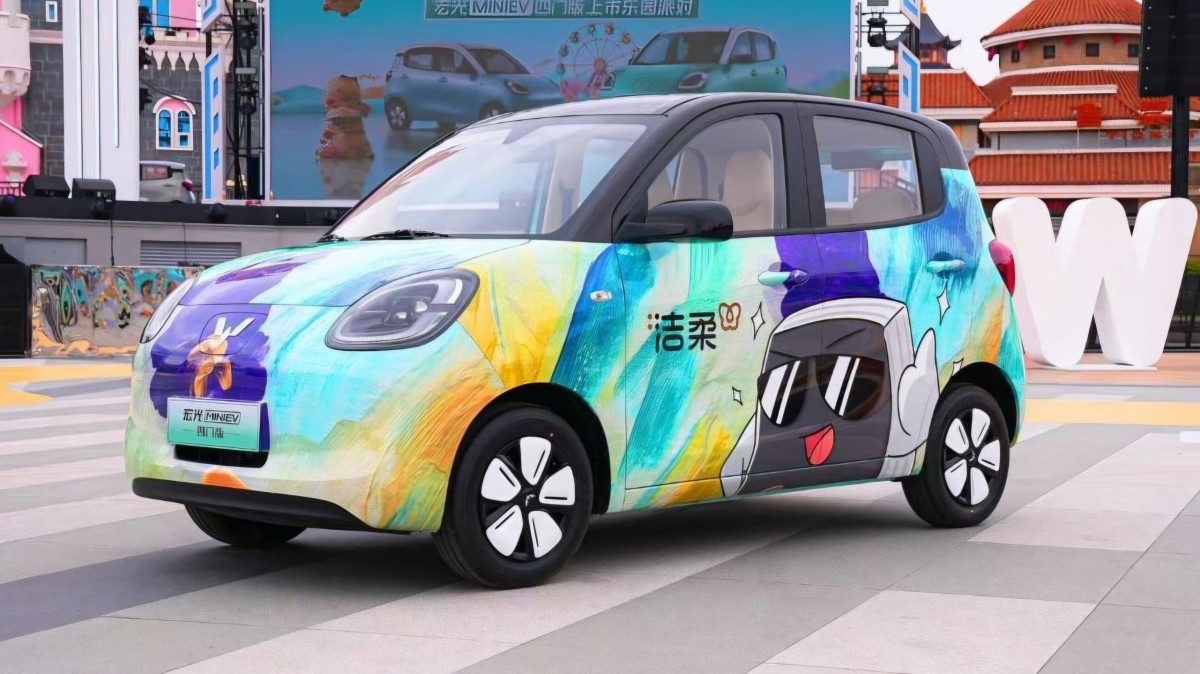
The Wuling Mini EV, a micro-car that is hugely popular in China, had a record-breaking month with 61,515 units sold. By contrast, the Tesla Model Y saw its sales fall by 37% year-over-year, down to 53,320 units. Tesla’s smaller sibling, the Model 3, dropped to a disappointing 14th place with only 19,961 units sold, a 25% decline from the previous year and its worst month in over three years.
This sharp downturn for Tesla is linked to a “hangover” effect in the US market, where EV registrations fell by nearly 50% year-over-year in October. China’s market also slowed, growing just 7% year-over-year. However, Europe (+38%) and the rest of the world (+35%) helped offset these declines, with markets such as Turkiye (+157%) and Indonesia (+101%) showing explosive growth.
Source: CleanTechnica
BEVs Rise While PHEVs Stumble
The slowdown in China also highlighted a split within the plug-in segment. While pure battery electric vehicles (BEVs) continued to grow, plug-in hybrid electric vehicles (PHEVs) declined globally by 5% to around 600,000 units, largely due to an 11% year-over-year drop in China. Excluding China, PHEV sales would actually have risen by 19% year-over-year. This suggests that hybrid technology is falling out of favor in its largest market but still has room to grow in other regions.
Overall, battery electric cars accounted for 19% of the global auto market in October, or 28% when PHEVs are included.
Chinese Brands Crowd the Top of the Charts
Beyond the number one spot, the rest of the sales chart underlines the strength of Chinese manufacturers. Behind Wuling and Tesla, third place went to the Geely Xingyuan with more than 44,000 registrations. BYD placed seven different models between fourth and eleventh position.
New players are also making a strong entrance. Xiaomi’s new YU7 SUV immediately captured seventh place with more than 33,000 registrations during its production ramp-up. Fresh models from established Chinese brands are also gaining traction: for example, the Fang Cheng Bao Tai 7 SUV from BYD’s premium sub-brand reached the top 20 with 20,000 registrations in only its second month on the market.
Brand Rankings: A New EV World Order
This surge from Chinese automakers is clearly visible in the global brand rankings. For the first time in years, the EV podium was made up entirely of Chinese brands, with Tesla missing from the top three.
BYD remained in first place with a 22.2% market share, a slight drop of 0.1 percentage points from September. Geely jumped into second with 127,000 registrations, while Wuling followed closely with its first-ever six-digit month, reaching 102,000 registrations.
Tesla delivered about 76,000 vehicles, marking its weakest month since July 2022 and a 36% year-over-year decline. Smaller Chinese brands also shined: for example, Leapmotor achieved 70,000 registrations, a new record. Their aggressive expansion into export markets such as Israel and Poland underlines that this is a global phenomenon, not just a domestic Chinese trend.
What Lies Ahead for Tesla and Traditional Automakers
The long-term outlook suggests that competition will only intensify for established players. The Tesla Model Y and BYD Song are still expected to hold the top two positions in year-to-date 2025 sales, but the Model 3’s ranking is under serious pressure from the Geely Xingyuan.
In 2026, the Geely hatchback is projected to overtake the Model 3, and by 2027 Tesla’s compact sedan may even disappear from the list of top-selling EVs altogether, replaced by models such as the Wuling Mini EV and the BYD Seagull.