

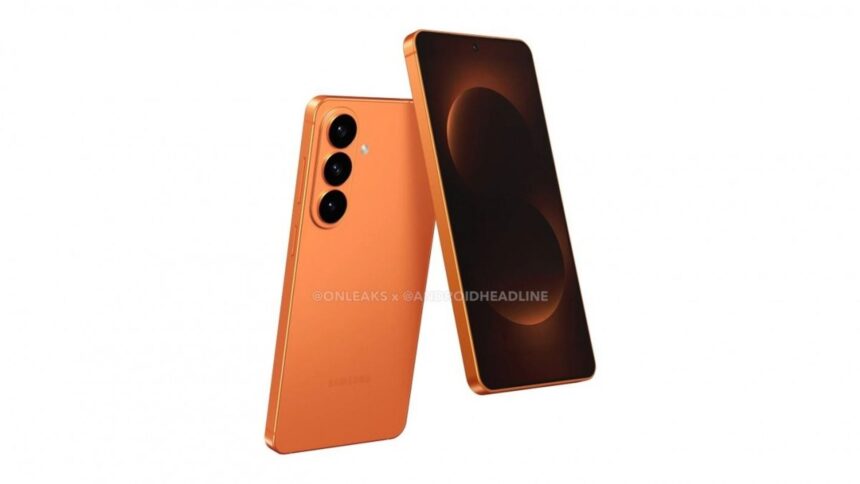
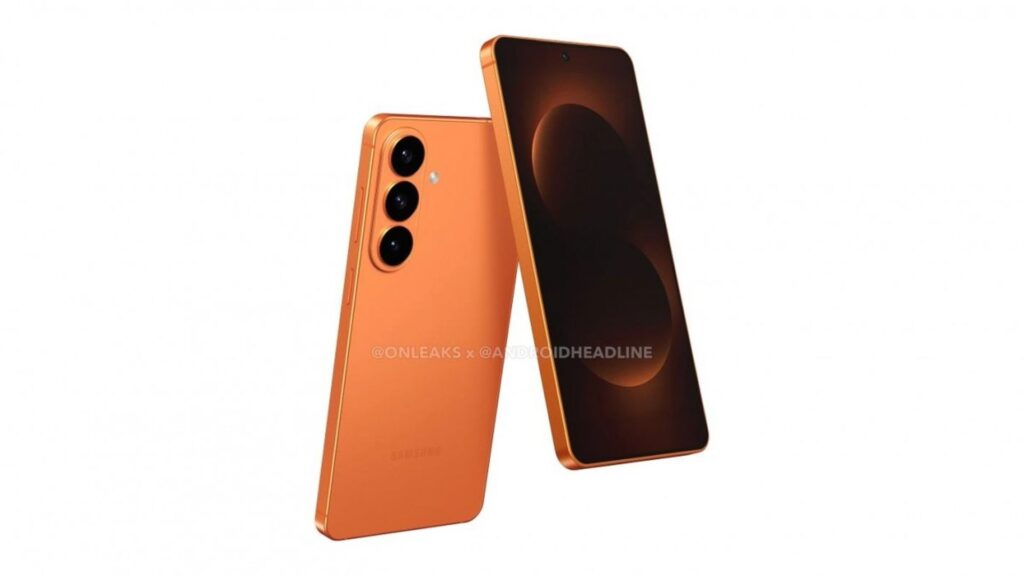
Samsung is preparing to launch its new 2nm-based flagship chipset, the Exynos 2600, and early benchmark results indicate it can compete directly with Qualcomm’s Snapdragon 8 Elite Gen 5. However, given the mixed track record of previous Exynos chips, it is still too early to draw firm conclusions from preliminary, pre-release numbers. Current rumors suggest that the Galaxy S26 and S26+ will use this in-house processor in many regions, disappointing fans who had hoped for a fully Snapdragon-powered global lineup.
Limited Exynos 2600 Availability Outside Korea
There may still be some good news for international buyers. A recent report claims that the Exynos 2600 will be limited to the Korean versions of the Galaxy S26 and S26+. Most global markets are expected to receive models powered by Snapdragon instead. This could mean Samsung is still not fully confident in deploying Exynos chips worldwide, or that the production yield of its 2nm manufacturing process is not yet high enough to reliably meet global demand.
Ongoing Challenges for Exynos
Analysis from South Korea’s CTT Research points to several persistent issues that have affected Exynos chips over multiple generations. These include overheating during sustained workloads, security concerns at the kernel level, and relatively low manufacturing yields. Together, these factors have shaped a long-standing perception among consumers that Snapdragon variants offer more consistent performance and reliability.
New Thermal Design and Process Improvements
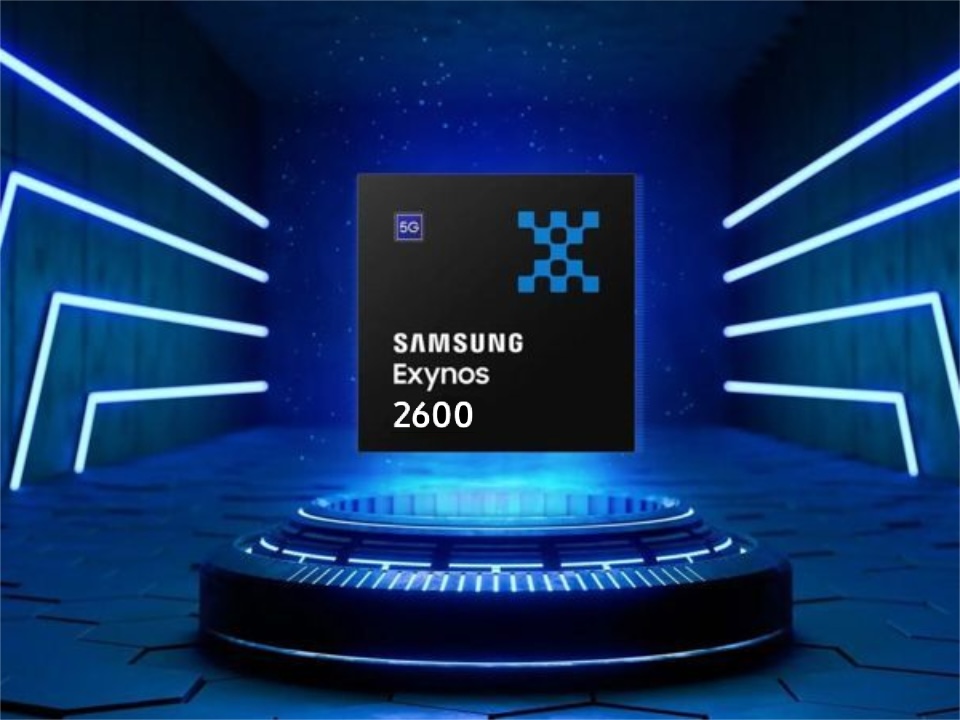
Samsung is working to change this narrative with the Exynos 2600. The chip reportedly uses a new “Heat Pass Block” design to significantly improve thermal performance, potentially lowering operating temperatures by up to 30%. It also continues to employ Fan-Out Wafer Level Packaging (FOWLP) to increase power efficiency.
At the same time, reports suggest that yield rates for Samsung’s 2nm GAA process have improved to around 50%, which is a meaningful upgrade compared to the previous generation. While this is progress, it may still be insufficient to guarantee stable supply at a truly global scale for a high-volume flagship series.
Business Constraints and Snapdragon Agreement
Beyond the technical considerations, Samsung also faces a major business constraint. The company is bound by a multi-year agreement that requires approximately 75% of its Galaxy S flagship units to ship with Snapdragon processors. Attempting to expand Exynos use too aggressively could violate this arrangement and result in substantial financial penalties, making a broad global rollout of Exynos-powered models a risky proposition.
What This Means for Buyers
For the near term, it appears that customers in South Korea will be the first, and possibly the only, users to experience the Exynos 2600 in the Galaxy S26 and S26+. Buyers in most other markets can expect Snapdragon-powered devices, which should alleviate concerns about potential differences in performance, thermal behavior, or long-term stability between regional variants.