
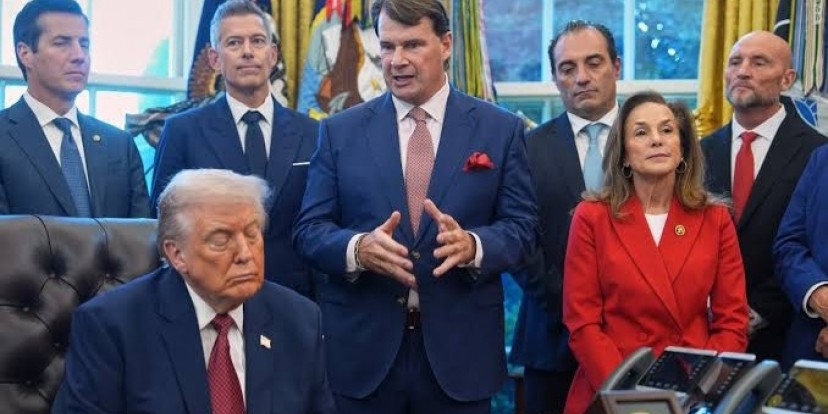
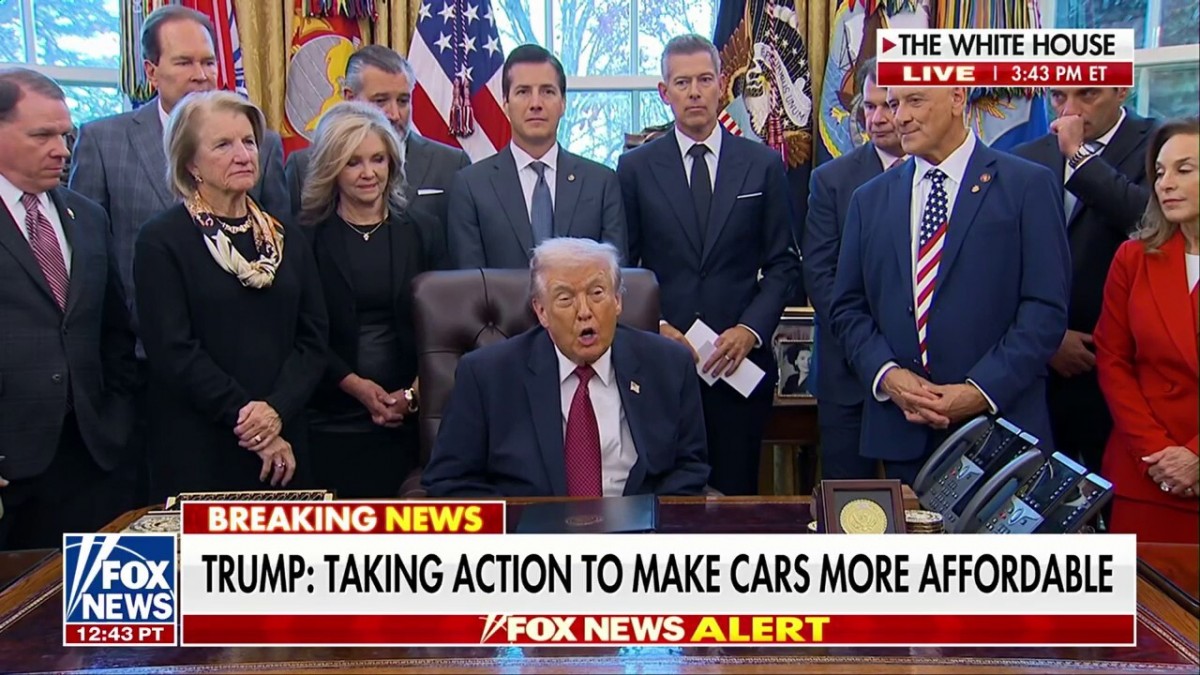
The Trump administration has unveiled a sweeping proposal to reset the United States’ Corporate Average Fuel Economy (CAFE) standards. The White House argues that the previous rules were too costly and impossible to meet with current gasoline and diesel technology, while downplaying the proven advantages of electric vehicles.
The “Freedom Means Affordable Cars” Proposal
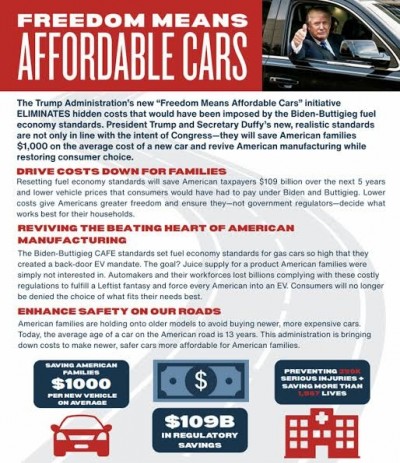
The Department of Transportation has labeled the new package the “Freedom Means Affordable Cars proposal,” signaling a sharp turn away from policies that strongly favored electric vehicles. According to the administration, the previous government’s targets were “unrealistic fuel economy targets” that effectively created an “electric vehicle mandate” that Americans neither demanded nor could comfortably afford.
Redefining Vehicle Efficiency
The most significant structural change lies in how an efficient vehicle is defined. Under the new plan, fuel economy standards will be set without counting electric vehicles or the credits they used to generate. Because EVs have zero tailpipe emissions, their inclusion previously helped automakers achieve stronger overall fleet averages. By excluding EV sales from the calculation, the standards become harder for companies to meet, even though the numerical targets themselves are lower.
End of CAFE Credit Trading
The administration intends to phase out the CAFE credit trading system starting with the 2028 model year. This system allowed manufacturers that produced many efficient vehicles—especially electric models—to sell surplus credits to companies that were falling short of the standards. For automakers heavily invested in electrification, these credits represented a crucial source of revenue.
Reclassifying Crossovers and SUVs
The proposal also changes how vehicles are categorized, immediately easing pressure on carmakers. Crossovers and small SUVs, which rank among the most popular vehicles in the country, will be counted as passenger cars instead of light trucks. Since light trucks have historically faced less stringent requirements, moving these vehicles into the passenger category makes it statistically easier for automakers to achieve their fleet averages.
Slower Efficiency Improvements
The plan further reduces the pace at which fuel efficiency must improve. Instead of sharp annual increases, passenger vehicles would see only modest gains: a 0.5% rise each year from model years 2023 through 2026, dropping to 0.35% in 2027, and then just 0.25% annually from 2029 through 2031. Light trucks would follow a similar, gradually easing schedule.
Under these changes, the new fleetwide average fuel economy target will be 34.5 miles per gallon by the 2031 model year, equivalent to roughly 6.82 liters per 100 kilometers. This is a substantial reduction compared with the more ambitious standards adopted by the previous administration, which the current White House has described as “costly and unlawful.”
Economic Arguments and Claimed Savings
The administration’s core justification is economic. It claims that the prior, stricter regulations would have increased the average price of a new vehicle by nearly 1,000 USD (approximately 920 EUR or about 84,000 INR). In contrast, the reset is projected to save Americans around 109 billion USD—roughly 100 billion EUR or about 9.15 trillion INR—over the next five years. Officials say these changes will allow consumers to buy newer cars without facing large increases in their cost of living.
Linking Affordability to Safety
The economic rationale is linked directly to a safety argument. The administration maintains that cheaper new vehicles will encourage drivers to replace older cars sooner, bringing newer safety technologies into wider use. Government projections suggest the policy could save more than 1,500 lives and prevent almost a quarter of a million serious injuries by 2050. This represents a calculated bet that weaker regulations could still yield safety benefits through faster fleet turnover.
A Slower Transition to Electric Vehicles
The new policy coincides with a noticeable shift in the U.S. market: the move to electric vehicles is unfolding more slowly than many environmental advocates anticipated. The administration says its plan reflects current consumer sentiment, arguing that most buyers are not yet prepared for a rapid, large-scale transition to EVs and still prioritize choice and affordability.
From Proposal to Possible Rule
For now, the plan remains a proposal rather than a finalized regulation. Once the Department of Transportation publishes the full text in the Federal Register, a 45-day public comment period will begin. The proposal is already controversial, setting up a clash between advocates of consumer choice and lower upfront costs, and those focused on long-term reductions in fuel consumption and emissions.
Concerns from Electric Vehicle Supporters
From the perspective of EV proponents, this reset is not only a step backward but a threat to the United States’ position in the global automotive sector. While the administration presents its approach as a way to relieve financial pressure on consumers, critics argue that loosening the standards will simply encourage manufacturers to continue prioritizing large, profitable, fuel-hungry SUVs and trucks for the domestic market.
Falling Behind Global Competitors
Opponents of the policy warn that it disregards rapid developments in China and Europe, where governments and consumers alike are demanding tighter emissions and efficiency standards. By lowering its own requirements, the United States reduces the pressure on domestic automakers to advance cutting-edge EV technologies, encouraging them to keep refining internal combustion engines instead. This could ultimately leave the American auto industry lagging behind global competitors that are accelerating toward electrification.
Long-Term Environmental and Health Impacts
The claim that cheaper gasoline-powered cars will save lives by boosting new-car purchases is challenged by broader environmental and public health considerations. Each less efficient vehicle sold locks in years of higher fuel use and greater emissions. With weaker standards, vehicles will collectively consume far more gasoline over their lifetimes than they would have under the previous rules.
Greater fuel consumption means increased emissions of greenhouse gases and pollutants that contribute to smog and respiratory illnesses. The new policy is expected to slow the adoption of electric vehicles, remove financial incentives for companies specializing in EVs, and deepen the country’s dependence on oil. Critics argue that any short-term savings of a few thousand dollars on a new car will be offset by billions of dollars in higher fuel costs and public health burdens over the coming decades.